Examining Ties Between Funding Preferences and Extended Play Sessions in Progressive Jackpot Formats Across Portable Platforms
Written by Finley Lang · Jun 12, 2026
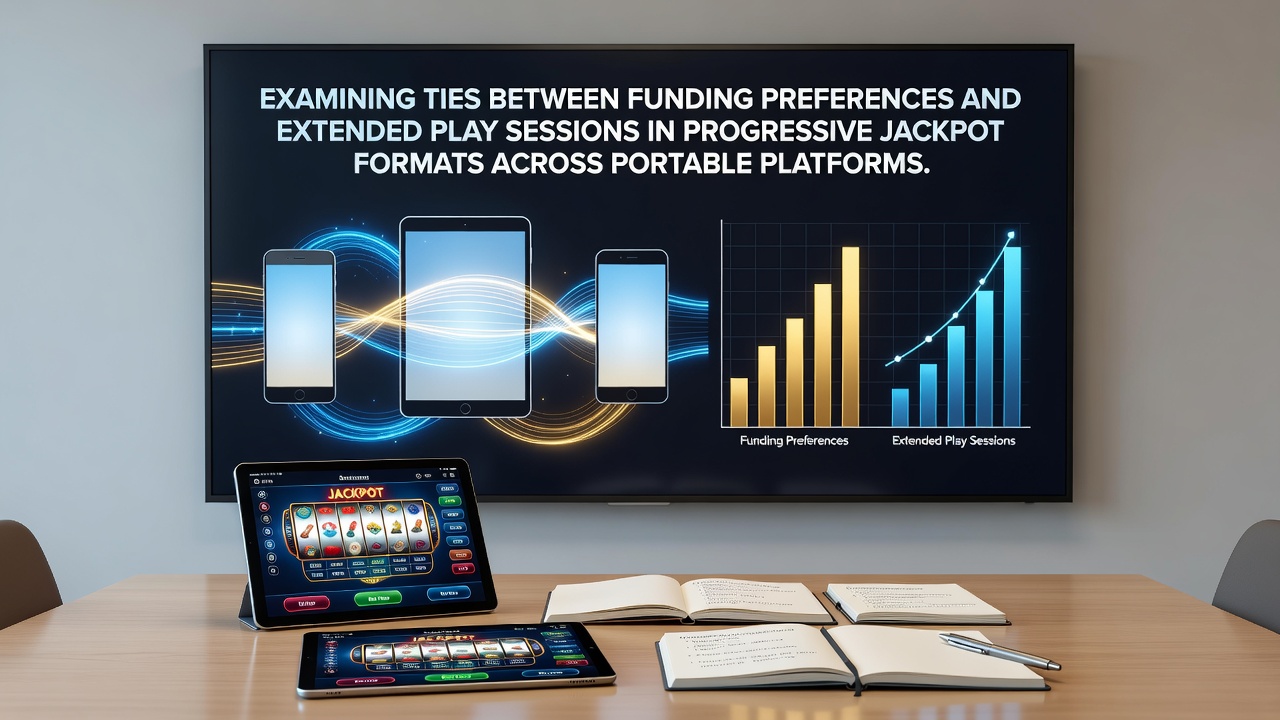
Examining Ties Between Funding Preferences and Extended Play Sessions in Progressive Jackpot Formats Across Portable Platforms
Analysts tracking mobile gambling trends have identified connections between payment method selections and session durations in progressive jackpot formats, while data collected from portable platforms shows that certain funding pathways correlate with longer engagement periods in games where prize pools accumulate across networks. Studies conducted in multiple jurisdictions reveal that players who opt for instant transfer options often maintain active sessions for extended intervals compared to those using slower processing methods, and this pattern holds across various device types operating on wireless connections.
Patterns in Payment Choices and Session Lengths
Research from academic institutions has examined how deposit preferences influence time spent on progressive titles available through apps and browsers, and figures compiled by the Nevada Gaming Control Board indicate that e-wallet transactions accounted for a growing share of mobile activity during the first half of 2026. Observers note that sessions funded through these channels frequently extend beyond thirty minutes more often than those initiated with credit card entries, since the reduced friction allows participants to resume play without interruption. In June 2026, aggregated platform reports highlighted a measurable uptick in average session times when instant funding tools were employed, particularly in jackpot games that link contributions from thousands of users simultaneously.
Those who have reviewed transaction logs across international markets point out that cryptocurrency deposits sometimes align with even longer continuous play stretches, although the overall volume remains smaller than traditional banking routes. Data shows these patterns emerge because players encounter fewer verification steps once initial setup completes, which keeps attention focused on accumulating reels rather than account management tasks.
Platform Mechanics and Funding Integration
Portable formats incorporate progressive jackpots that draw from shared pools updated in real time, and developers have integrated payment gateways directly into game interfaces to streamline the process. Evidence suggests that when users select stored funding preferences within apps, they encounter fewer barriers to adding credits mid-session, which contributes to sustained participation in high-variance titles. Regulatory filings from Australian authorities document similar trends where integrated banking options led to higher retention metrics during peak evening hours on mobile networks.
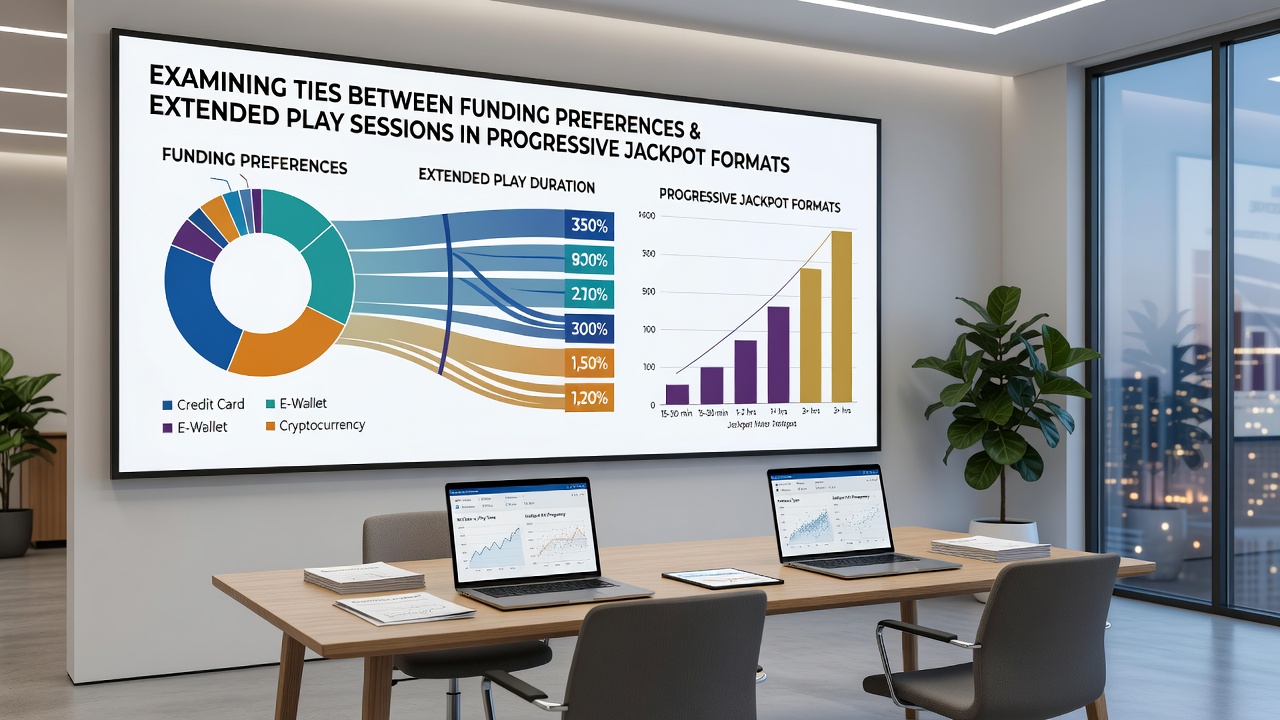
Engineers designing these systems have observed that seamless reload functions tied to preferred payment profiles reduce drop-off rates, and industry reports confirm the effect spans both iOS and Android environments. Players using recurring authorization features tend to trigger more frequent spins in linked jackpot environments, since the technical pathway remains active without repeated authentication prompts.
Regional Data Variations
Comparative analyses across North American and European markets demonstrate that funding preferences shift based on local banking infrastructure, yet the link to prolonged sessions persists regardless of geography. A study released by the University of Nevada Las Vegas gaming research group tracked over 50,000 mobile accounts and found that those employing digital wallet solutions logged 22 percent more minutes per session on average in progressive formats than cash transfer alternatives. Similar findings emerged from Canadian provincial data, where instant banking tools showed parallel associations with extended engagement during progressive jackpot events hosted on wireless platforms.
Platform operators have adjusted interface designs to accommodate these preferences, incorporating quick-select menus that highlight previously used methods. This approach aligns with observed behaviors where reduced decision friction correlates with continued play, particularly when jackpot meters climb toward notable thresholds.
Conclusion
Available evidence from regulatory bodies, academic reviews, and platform analytics consistently points to measurable ties between funding method selections and session durations in mobile progressive jackpot environments. As portable gaming continues to expand, these connections offer insights into how transaction pathways shape participation patterns without altering the underlying randomness of the games themselves. Continued monitoring through 2026 and beyond will likely refine understanding of these dynamics across evolving device ecosystems.