Player Interaction Cycles Modify Bonus Allocation in Mobile Live Dealer adn Slot Progressive Systems
Written by Blake Fischer · Aug 23, 2026
Player Interaction Cycles Modify Bonus Allocation in Mobile Live Dealer adn Slot Progressive Systems
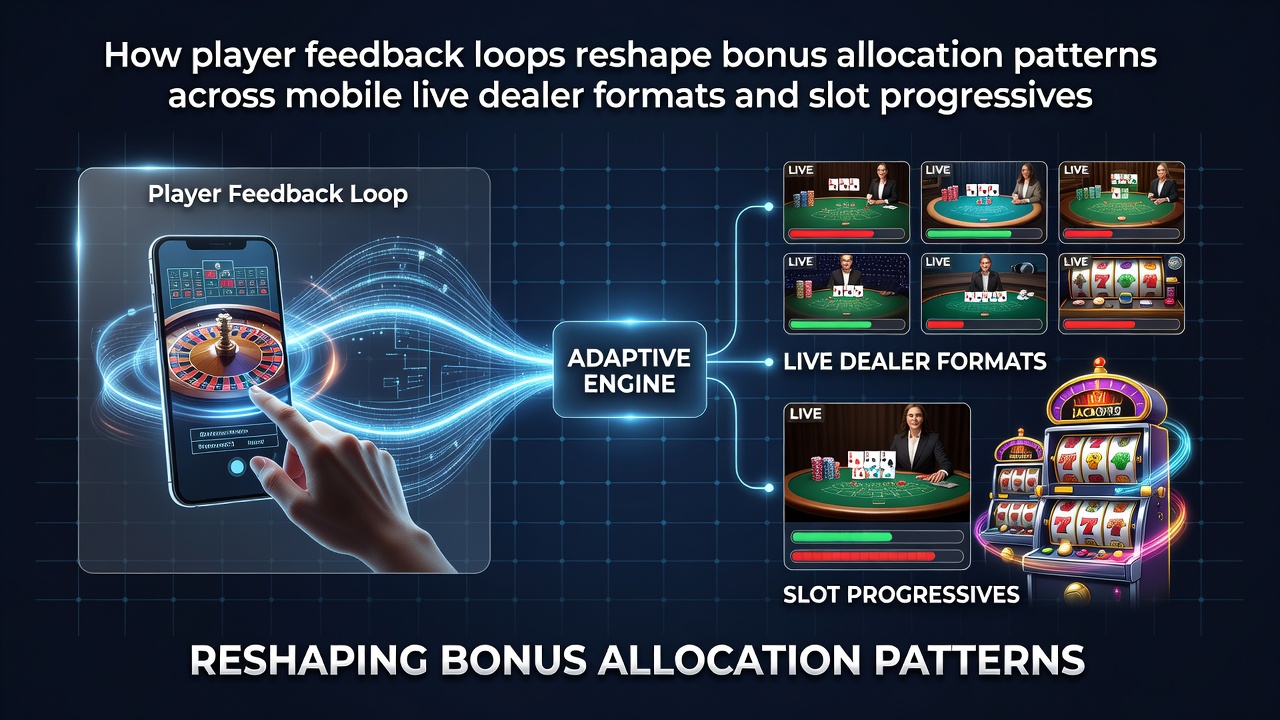
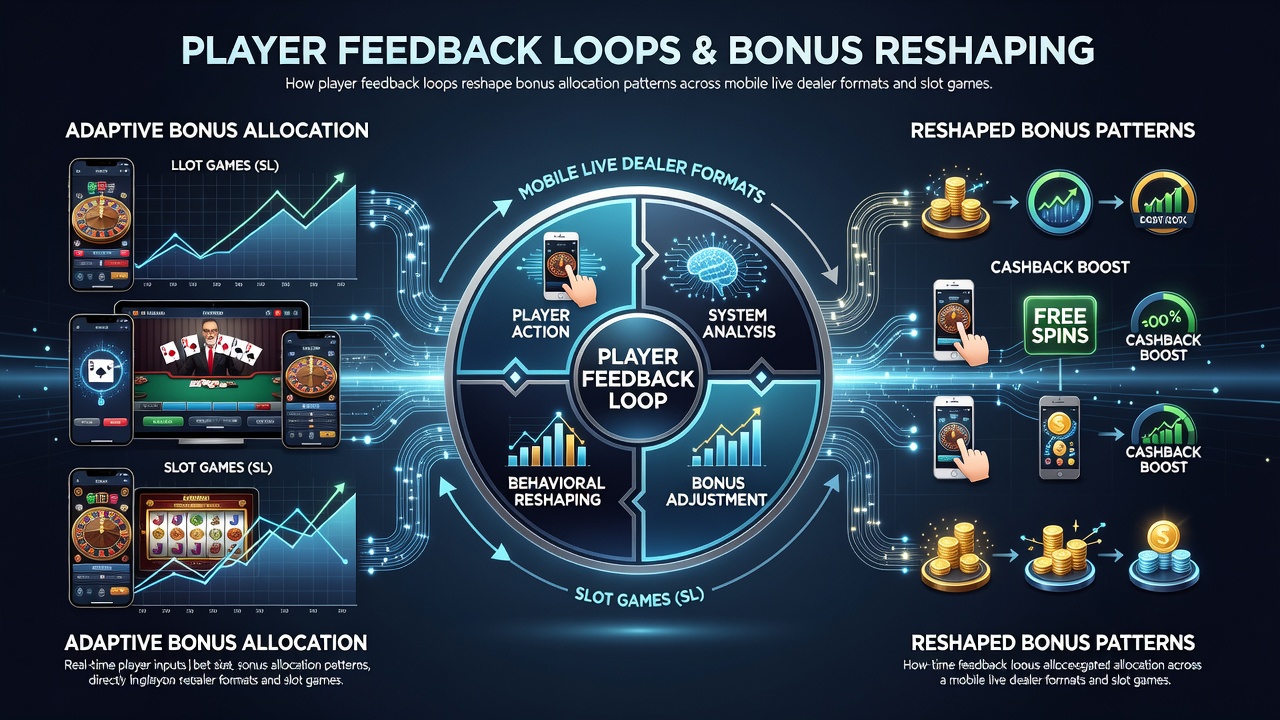
Player feedback loops operate as continuous data streams where individual choices during sessions feed directly into automated systems that adjust bonus availability and distribution rates across mobile platforms. These mechanisms track actions such as bet sizing, session duration, and game selection, then recalibrate reward parameters without manual intervention from operators.
Mechanics of Feedback Integration in Live Dealer Formats
Live dealer environments on handheld devices capture real-time inputs including chat participation, table switching frequency, and wager patterns, which then influence how promotional credits or multiplier opportunities appear in subsequent rounds. Data from these interactions routes through central servers that apply algorithms to balance player retention metrics with revenue targets, resulting in shifted allocation priorities that favor formats showing higher engagement signals at any given moment.
Operators have documented cases where increased mobile participation in blackjack variants during peak evening hours triggered elevated bonus frequency for those specific tables, while roulette sessions experienced reduced supplementary rewards until activity levels normalized. Such adjustments occur through predefined thresholds that activate when aggregate player data crosses certain benchmarks, and this process repeats across multiple daily cycles.
Progressive Slot Systems and Adaptive Reward Pools
Slot progressives integrated with mobile applications use similar loops to redistribute contribution percentages from each spin toward different jackpot tiers based on collective player behavior across regions. When users demonstrate preference for certain reel configurations or bonus buy features through repeated selections, the system reallocates a portion of the seed funding or increment rates to align with those observed trends, thereby altering payout velocity for linked machines.
Research from the University of Nevada Reno Gaming Research Center indicates that progressive pools tied to mobile interfaces exhibited measurable changes in allocation speed following periods of concentrated play in specific geographic clusters during 2025. These modifications appear most pronounced when feedback data includes both voluntary player selections and involuntary session interruptions caused by network variability.
Cross-Format Interactions and Allocation Patterns
Systems that span live dealer and progressive slot offerings often merge datasets from both categories to create unified bonus frameworks that respond to overall platform activity rather than isolated game types. A surge in live dealer table entries can therefore prompt temporary boosts to progressive contribution rates on connected slot titles, or conversely, sustained slot play may increase the visibility of dealer table promotions to balance load across the mobile ecosystem.
According to reports issued by the New Jersey Division of Gaming Enforcement, platforms operating under that jurisdiction recorded adjustments in bonus distribution ratios that coincided with seasonal mobile usage spikes, including those observed around August 2026 when portable device traffic reached elevated levels. These shifts maintained compliance with established regulatory caps while responding to the incoming performance indicators.
Industry organizations such as the Canadian Gaming Association have compiled statistics showing that feedback-driven modifications reduced instances of underutilized bonus pools by directing resources toward formats with demonstrated demand. The process relies on encrypted transmission of anonymized session logs that feed machine learning models trained to predict optimal allocation windows.
Regulatory Oversight and Implementation Standards
Regulatory bodies across multiple jurisdictions require transparency in how these loops function, mandating that operators disclose the general parameters governing bonus recalibrations even when specific algorithmic details remain proprietary. Audits examine whether feedback mechanisms inadvertently create disparities in reward access for different player segments, and corrective measures follow when data reveals consistent imbalances.
European regulatory frameworks, including those administered through the Malta Gaming Authority, have established guidelines that emphasize equitable treatment across mobile formats, requiring periodic reviews of allocation outcomes to verify alignment with player protection standards. These reviews incorporate aggregated metrics from both live dealer and progressive categories to assess cumulative effects.
Conclusion
Feedback loops continue to influence bonus allocation by processing ongoing streams of player activity data that update distribution rules in mobile live dealer and slot progressive environments. The resulting patterns reflect cumulative inputs from session behaviors while operating within established regulatory boundaries across different markets. Ongoing monitoring by oversight agencies ensures these systems maintain balance between operational efficiency and player access standards.